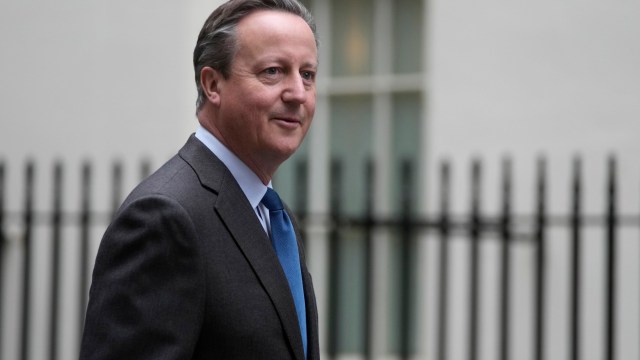

The political arena can often resemble a
stage where figures come and go, yet some manage to steal the spotlight once
again. David Cameron, a name synonymous with British politics has returned
to the public eye igniting debates, curiosity and perhaps a touch of
nostalgia for some.
But what does this reappearance truly signify about the
ever-evolving landscape of British politics?
Who is David Cameron?
David Cameron, a Conservative Party
politician, served as the UK's Prime Minister from 2010 to 2016. Known for his
charismatic presence and political maneuvering, Cameron's tenure was marked by
various reforms and challenges, shaping Britain's trajectory during a pivotal
time.
His resurgence to the frontline as foreign secretary has in recent times come with a dramatic cabinet reshuffle that included the sacking of controversial home secretary Suella Braverman.
Cameron has made a
noticeable comeback, engaging in public appearances, media interviews and even
rekindling interest in political discussions. The re-emergence of this prominent
figure after stepping back from frontline politics raises eyebrows and sparks
inquiries into the motives behind his return.
Speculations abound regarding the motivations
fueling Cameron's return. Some argue it's driven by a desire to defend his
legacy or wield influence, while others perceive it as a response to the
prevailing political climate or personal ambitions. The allure of contributing
to ongoing debates on critical issues might also beckon Cameron back into the
limelight.
Impact on British Politics
Cameron's comeback has cast a significant
ripple across the current political canvas. It triggers diverse reactions from
various political factions—some welcoming his return as a seasoned voice of
experience, while others critique it as an attempt to meddle in contemporary
affairs. The public's stance on his comeback remains a subject of intrigue,
sparking discussions and opinions across social platforms and public forums.
Reflections on Leadership and Power
This resurgence prompts contemplation on the
role of former leaders in shaping the political discourse. It draws attention
to the lessons one can glean from a leader's return and how their actions
influence the trajectory of the political landscape. Cameron's reappearance sheds
light on the complexities of wielding power, navigating public opinion and
leaving a lasting impact on governance.
In the ever-evolving British landscape of
politics, the return of a figure like David Cameron serves as a poignant
reminder of the enduring influence former leaders wield. Whether his return
will reshape the current political narrative or merely add another voice to the discourse remains to be seen.